Lunch Box Guide: Materials, Features, and Tips Explained
A lunch box is now a daily essential for both children and adults. School kids usually bring portable storage containing food or snacks from their parents. As a result, they won’t have to purchase meals or beverages from outside, which may not be hygienic, healthy, or cost-effective. Another factor that makes the box attractive is the design or the packaging. With cute designs or colorful packages, the makers want to boost the appetite of consumers, especially children. For adults, carrying bento is becoming common, too. More office staff don’t mind taking such a storage partly because they have limited time to go outside. Another reason is that they can save money by eating homemade meals instead of purchasing food from restaurants.  Given its popular use, you can find diverse packed lunch products in online and offline markets. They come in various sizes, materials, colours, and of course, prices. The plentiful options may confuse you. Don’t worry, though! This article will share useful tips to choose the right container for your needs. Keep scrolling down!

What are the typical contents inside a lunch box?

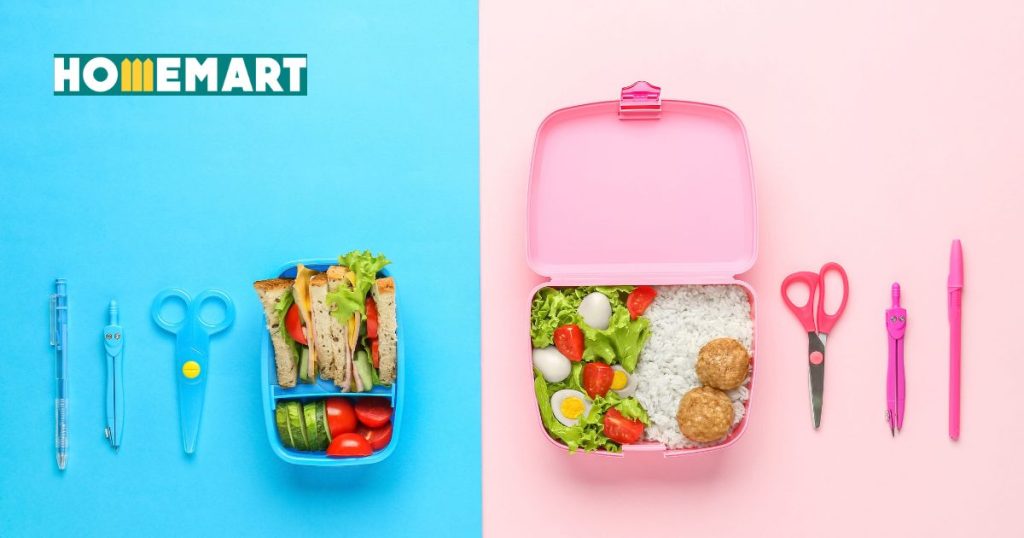
A lunch box usually stores food, drink, and extras. For food items, people usually put rice, noodles, a sandwich, or pasta. These items serve as main dishes, providing large amounts of carbohydrates as a source of energy. If the size of the storage is small, people usually choose main dishes above all else. If the size is quite spacious, they can insert other items, such as protein, vegetables, fruits, and snacks. Popular protein options include chicken, egg, tofu, fish, or beans. These proteins are also crucial as extra sources of energy, as well as boost the immune system. See other common items inside a lunch box:
  • Vegetables: Fresh options such as salad and carrots, or cooked ones.
  • Fruits: Bananas, strawberries, apples, oranges, or kiwis.
  • Snacks: Crackers, chips, or nuts.
  • Drinks: Bottled milk, yoghurt, soft drink, or juice.
  • Extras: Spoon, fork, chopstick, napkin, tissue, sauce, or dressing.
Tips to choose the right lunch box

As said above, diverse packed lunch items are available in offline and online stores. Without having enough information, you might end up wasting time looking for the ideal product. Otherwise, you might wrongly choose the item simply because you prioritise the less important consideration. A common example is purchasing a lunch box just because it looks cute for your child. Opting for a certain item due to low price is as common as the above factor. However, you shouldn’t make pricing the sole factor. You need to learn about the quality of the material, which makes the product long-lasting. With that in mind, identify simple yet essential guidelines to pick the ideal option for the health of your family.

Selecting the durable and lightweight materials

The first factor is linked to the material quality. Usually, lunch box producers use two materials, which are stainless steel and plastic (free from BPA). BPA stands for Bisphenol A, a chemical compound used to make plastics durable. Stainless steel is well-known for its safe and strong qualities. Plastic-made boxes offer lightweight and practical benefits. Additionally, plastic is more affordable than stainless steel.

Seeking wider space

This lunch box type can be either in one large compartment or in 2-5 sub-areas. Such an organisation allows you to separate the contents. Thus, you won’t mix main dishes with vegetables, for instance. As a suggestion, you should place the main dishes in the largest section of the box. This small arrangement yields a lot of benefits, such as preventing any mess.

Having tight lids or silicone seals

You should purchase a lunch box with tight lids or silicone seals. These covers will prevent spills in your bag. This is critical if you want to include soup, sauce, or curry. When necessary, choose one with special locking systems that can stop leaks. Besides spills, the covers are also useful to protect the contents from dust, moisture, and pests.

Microwave-friendly

The last factor in choosing the right lunch box is ensuring that you can put it safely inside a microwave. This means the storage won’t melt, warp, or crack when being put inside the machine. The container won’t release chemicals that may harm your food. As a result, the food is evenly warm once you take it from the microwave.

Get the best lunch box at a friendly price from Home Mart!

As explained previously, choosing a great lunch container requires you to consider several factors to ensure the product meets your needs. With the right information, you should be able to buy one that functions optimally at an affordable price. If you’re looking for one, Home Mart is the right place to go! We have diverse options of a multipurpose lunch box, which you can order right away through this website. Our packed lunch options are not just safe for the microwave but also for the freezer and dishwasher. They are easy to carry and organise. You can put them inside your bag without having to worry about possible leaks or spills. What are you waiting for? Order the products while stocks last.