A Starter’s Guide to Using a Weight Scale at Home
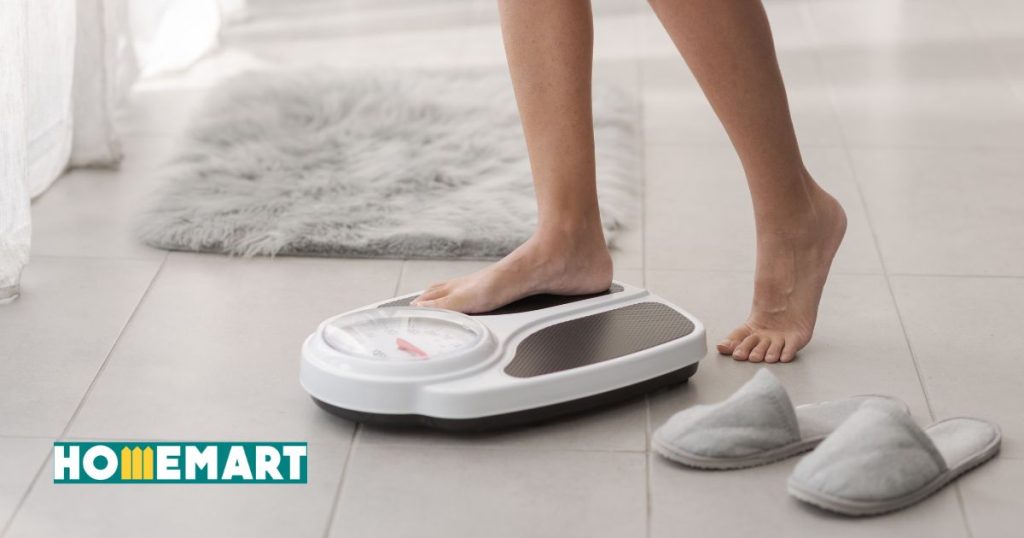
One of the easiest ways to understand how your body changes is to use a home weight scale. As you’re stepping on this device routinely, you can spot patterns that allow you to fix your daily habits. For example, readers may check their healthy diet, physical activities, or sleep schedules. Not only does it show number results, but this tracker also helps you maintain a healthy lifestyle and progress in well-being.
However, you need to take a little practice to read the right numbers before applying this device. The reason is that some factors may affect the results, like where you place the weight scale or when you measure the body. If you learn these simple guides well, this tool helps you track your body mass and maintain a good, balanced health.
What is a weight scale?
A weight scale is a device meant to measure the mass of a person or an item. Aside from your body size, it can also check how heavy some objects are used to fulfil daily necessities. This useful tool also detects the strength of the force when something is placed on it. After the measurement process is done, readers can see the number value while reading their mass with ease. This measuring device has different features depending on the type. Some devices use springs and inner parts to measure your body, while others apply digital sensors to display someone’s mass on screen. However, you may see that several trackers contain data storage and connect to mobile apps to automatically assess measurements. Here are the types that many people use:- Mechanic type: It’s simple and requires no battery to measure your mass.
- Digital type: Their electronic sensors offer quick, clear mass results.
- Smart type: People can connect them via Bluetooth or Wi-Fi and view the result in an app.
- Kitchen type: When cooking or baking, use it to measure ingredients.